If your roof is in need of repairs, replacement, or a complete overhaul, UNITED is here for you. Ask us about our remodeling & additions services today!

ABOUT UNITED

United Contracting & Roofing is a local, family owned and operated business. Our focus is long lasting relationships with our clients with quality service.

Roofing Tips

Discover tips, advice, and resources from your friends at United Contracting and Roofing!

Choosing the Right Roof for Historic and Modern Homes

Selecting the right roof is never a one-size-fits-all decision. The needs of a historic home often differ significantly from those of a new construction property. Age, architectural style, structural capacity, and performance expectations all play a role in determining which materials and installation approach make the most sense.

For homeowners across northern Georgia and upstate South Carolina, the goal is simple: protect the home while preserving its character and ensuring long-term durability in a humid, storm-prone climate.

Roofing Priorities for Historic and Older Homes

Historic homes require a thoughtful balance between preservation and performance. In many cases, the roof is one of the most defining architectural elements of the property. Matching materials to the original design helps maintain curb appeal and, in some neighborhoods, may be required by preservation guidelines.

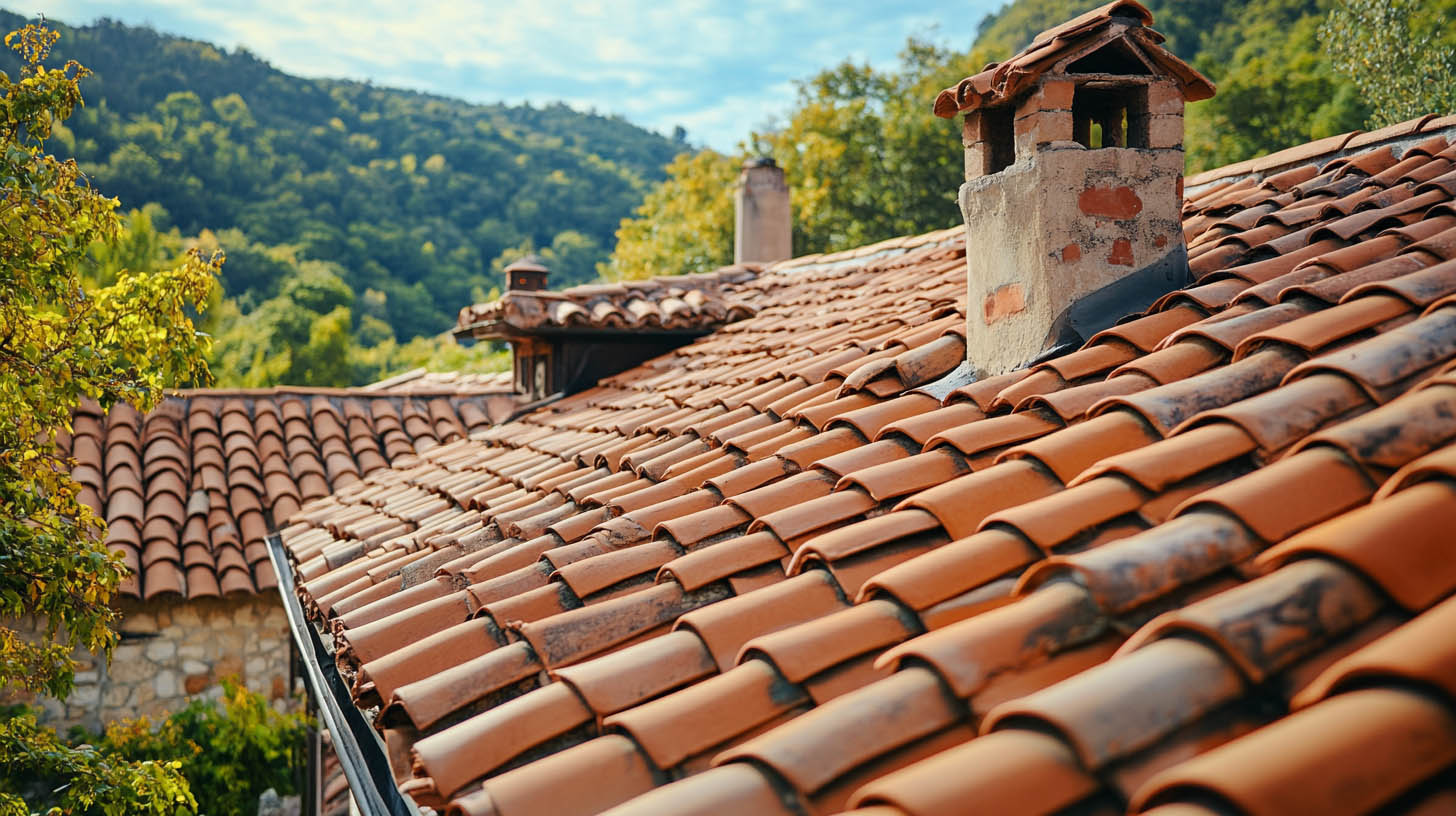
Materials such as slate, clay tile, wood shake, and copper were commonly used in older homes and remain excellent performers when installed and maintained properly. These materials offer exceptional longevity, but they often require specialized installation techniques and periodic maintenance.

Structural considerations also matter. Older framing systems may not support heavier roofing materials without reinforcement. Before choosing slate or tile, it is important to confirm the roof structure can handle the added load.

Many homeowners today choose modern alternatives that replicate historic materials while offering improved moisture resistance and lower maintenance. Synthetic slate, composite shake, and stone-coated metal are examples of options that preserve the look of historic roofing while improving performance in humid climates.

If your home sits within a historic district, local guidelines may limit material choices, color palettes, or installation methods. Consulting with a roofing professional early helps prevent costly redesigns or approval delays.

Roofing Priorities for New Construction and Modern Homes

Newer construction offers tremendous flexibility in roofing selection. Modern homes can be designed with performance, efficiency, and durability as primary goals without the constraints of historic preservation.

Architectural asphalt shingles remain a popular choice due to their affordability, versatility, and ability to perform well in Southeast weather conditions. Metal roofing has also gained traction for its durability, water-shedding ability, and resistance to biological growth. Modern designs often incorporate low-slope roof sections over porches, additions, or contemporary architectural features. These areas typically perform best with membrane systems such as TPO, PVC, or EPDM, which create continuous waterproof barriers.

Energy efficiency is another advantage of modern construction. Roofing systems can be integrated with insulation and ventilation strategies to improve indoor comfort and reduce heating and cooling costs. Reflective or “cool roof” materials may also help limit heat gain during long Southern summers.

Material Choices That Bridge Historic and Modern Needs

Some roofing materials perform well across both categories when selected thoughtfully. Metal roofing, for example, can be installed in standing seam profiles suited for modern homes or designed to mimic traditional slate and tile aesthetics. Architectural asphalt shingles can be chosen in textures and colors that complement older homes while delivering modern performance.

The key is matching the material not only to the appearance of the home but also to its structural capacity and maintenance expectations.

Practical Considerations Before Choosing a Roof

Regardless of the home’s age, several factors should guide roofing decisions. Climate suitability is especially important in the Southeast, where humidity, heavy rainfall, and seasonal storms place ongoing stress on roof systems. Materials that resist moisture intrusion and biological growth typically perform best.

Roof pitch and structural capacity influence material selection, as heavier products may require reinforcement. Maintenance expectations should also be realistic. Some premium materials offer long lifespans but require specialized upkeep, while others provide easier maintenance with slightly shorter service intervals.

Budget considerations should focus on lifecycle value rather than upfront cost alone. A more durable material may offer savings over time through reduced repairs and improved energy performance.

Ventilation compatibility is another essential factor. A high-quality roofing material cannot perform as intended if attic airflow and insulation are inadequate. Moisture buildup, condensation, and premature aging often trace back to ventilation imbalances rather than material failure.

Common Mistakes to Avoid

Homeowners sometimes prioritize appearance without considering performance or structural limitations. Historic homes in particular can be vulnerable to material choices that exceed load capacity or conflict with preservation standards.

Another common mistake is assuming modern materials automatically outperform traditional ones. Many historic materials remain among the most durable roofing options available when properly installed and maintained.

Ignoring ventilation, moisture management, and drainage design can also undermine even the best roofing materials.

How United Helps Homeowners Make the Right Choice

United Contracting & Roofing works with homeowners across northern Georgia and upstate South Carolina to select roofing systems that match both architectural style and performance needs. Whether restoring a historic property or building a new home, our approach begins with a thorough evaluation of structural capacity, ventilation, and moisture risks.

Our complimentary inspections provide clear documentation and practical recommendations so homeowners can choose materials with confidence. From historic restoration projects to modern roof installations, our team focuses on durability, craftsmanship, and long-term value.

If you are planning a roof replacement or evaluating options for a historic or newly built home, scheduling an inspection is the best first step. With the right guidance, you can choose a roofing system that protects your home while preserving its character and performance for years to come.

Recent Posts

Choosing the Right Roof for Historic and Modern Homes

Choosing the Right Roof for Historic and…

Learn how to select roofing for historic and modern homes while balancing durability, design, and…
Roofing for Different Architectural Styles

Roofing for Different Architectural Styles

Learn how roofing materials and design choices support different home styles while protecting performance and…

A DIY Roof Checklist and Why a Professional Inspection Matters

A DIY Roof Checklist and Why a…

Roof maintenance does not have to feel overwhelming. A practical approach combines simple homeowner observations…

The Bottom Line

We Won’t Be Beaten on Price!

Reach out to us today and get a FREE inspection on your roof.

Follow Us On