If your roof is in need of repairs, replacement, or a complete overhaul, UNITED is here for you. Ask us about our remodeling & additions services today!

ABOUT UNITED

United Contracting & Roofing is a local, family owned and operated business. Our focus is long lasting relationships with our clients with quality service.

Roofing Tips

Discover tips, advice, and resources from your friends at United Contracting and Roofing!

Commercial Roofing in Winter: Why January and February Are the Most Overlooked Months for Maintenance

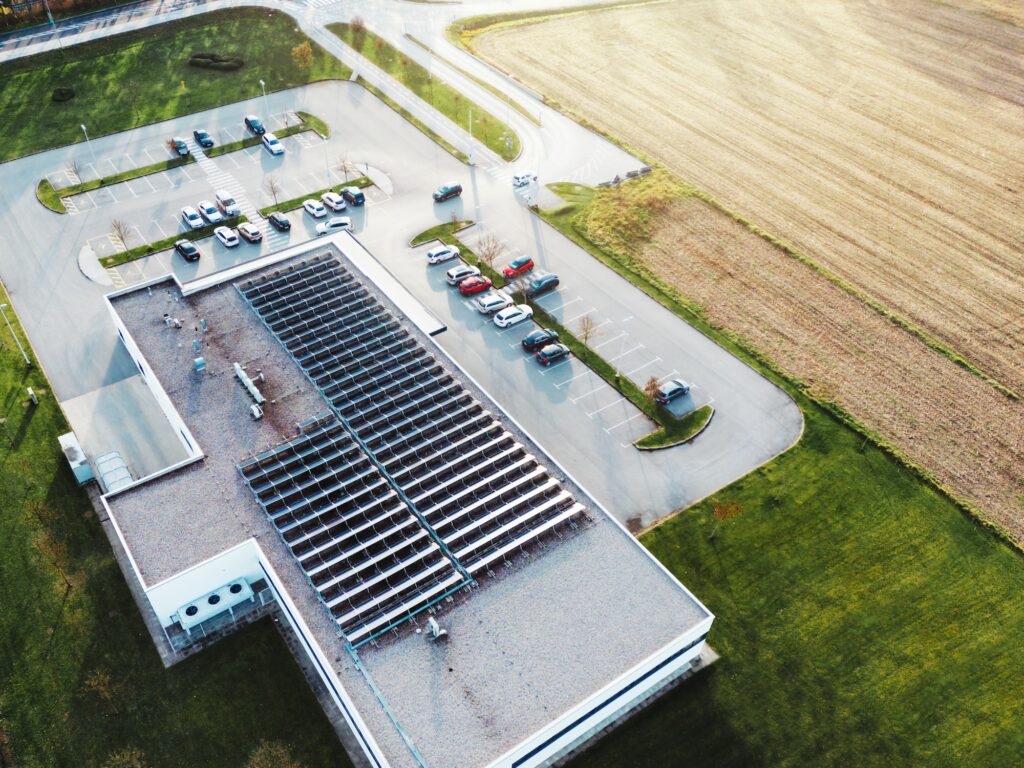
Most facility managers plan their major roofing work in spring or early fall. Winter often gets written off as a “wait it out” season. But in northern Georgia and upstate South Carolina, that mindset can create real risk. January and February may be the most important months of the year for assessing and maintaining commercial roofs, especially the flat and low-slope systems that support busy warehouses, manufacturing plants, and large retail centers.

Cold weather does not pause roofing problems. It exposes the weaknesses that already exist. When commercial operations rely on uninterrupted workflow, winter roof maintenance becomes a cost-saving strategy rather than an optional task.

Why Flat and Low-Slope Roofs Need Attention in Winter

Flat roofs behave differently in winter than residential pitched roofs. The large surface area, multiple penetrations, parapet walls, and complex drainage systems work together only when every component performs correctly. Winter conditions stress these systems in ways that warmer months often hide.

Membrane materials can contract as temperatures fall. Seams that held under heat expansion may loosen. Flashing that appeared stable in autumn can pull back or wrinkle. Even small shifts allow moisture to enter, and winter moisture tends to travel farther before it evaporates.

Facilities with EPDM, TPO, or modified bitumen systems often see the earliest signs of stress around edges, penetrations, and aging seams. January and February are prime months to identify these issues before they turn into leaks during busy production cycles.

Ponding Water: A Winter-Season Warning Sign

One of the biggest challenges for commercial roofs in the Southeast is ponding water. Although this region rarely sees long periods of snow accumulation, winter brings frequent cold rain. When temperatures swing overnight, water sits longer on flat roof surfaces. Ponding happens when drains clog, scuppers freeze briefly, or membrane areas sag under long-term load.

Winter ponding does more than create slip hazards. It adds significant weight to the roof. It accelerates membrane deterioration. It also lowers the roof’s surface temperature, which slows evaporation and traps moisture near seams and fasteners. If ponding continues for more than 24 to 48 hours, the roof requires professional attention.

A mid-winter maintenance check helps ensure your drainage system is clear and the roof is moving water as intended. Regular inspections can prevent costly structural issues, especially in facilities that rely on climate-sensitive inventory or machinery.

Heat Loss: The Hidden Expense Most Managers Overlook

While leaks draw the most attention, heat loss through an aging roof drains far more money from a commercial budget. Manufacturing plants and distribution centers often heat large volumes of air. If the roof insulation has settled, compressed, or been compromised by moisture, the HVAC system must work harder to maintain consistent indoor temperatures.

Poor insulation leads to higher fuel consumption. It also creates uneven heating patterns throughout the building. Employees notice the difference. Equipment can be affected as well. These inefficiencies often peak in January and February when outdoor temperatures fall to their lowest.

A winter audit of the roof’s insulation and vapor barrier conditions can identify losses early. Correcting insulation problems now avoids higher energy costs for the rest of the season and stabilizes interior conditions that equipment and product storage depend on.

Why Winter May Be the Best Time for Commercial Roof Work

Unexpected downtime is expensive. For many facilities, spring is the busiest quarter of the year. Winter, however, often provides a window for planned maintenance without disrupting operations.

January and February offer practical advantages. Schedules are more flexible. Inspections are easier to plan. Smaller repair crews can work efficiently on membrane systems, coatings, flashing upgrades, and drainage corrections. Winter also allows facility managers to resolve issues before spring storms intensify roof vulnerabilities.

Commercial properties that cannot afford production stoppages benefit from addressing needs early in the year. A proactive approach reduces emergency calls, protects inventory, and safeguards the roof structure heading into the wettest months.

Why United Is the Right Partner for Winter Commercial Roofing

United Contracting & Roofing serves commercial clients across northern Georgia and upstate South Carolina with maintenance programs tailored to industrial, retail, and warehouse environments. We understand the demands placed on flat roofs in winter and how downtime affects your bottom line.

Our commercial team evaluates membrane performance, drainage systems, insulation levels, penetrations, and seam integrity. We document conditions clearly and recommend solutions based on your operational priorities. Whether you need a targeted repair, preventive maintenance plan, or long-term roof strategy, we build a plan that meets your facility’s needs without disrupting daily operations.

If your roof has not been inspected in the last twelve months, January and February are the ideal time to act. Schedule a commercial roof assessment with United Contracting & Roofing and give your facility the protection, efficiency, and stability it needs for the year ahead.

Recent Posts

The Hidden Costs of Ignoring Small Roof Issues

The Hidden Costs of Ignoring Small Roof…

Roofs don’t fail all at once. They fail gradually. And the true cost of ignoring…

Commercial Roofing in Winter: Why January and February Are the Most Overlooked Months for Maintenance

Commercial Roofing in Winter: Why January and…

January and February may be the most important months of the year for assessing and…

5 Myths About Cold-Weather Roofing

5 Myths About Cold-Weather Roofing

Many homeowners in northern Georgia and upstate South Carolina put off roof replacements once colder…

The Bottom Line

We Won’t Be Beaten on Price!

Reach out to us today and get a FREE inspection on your roof.

Follow Us On