
Roofing Tips

Discover tips, advice, and resources from your friends at United Contracting and Roofing!

roof restoration

How Underlayment Affects the Life of Your Roof

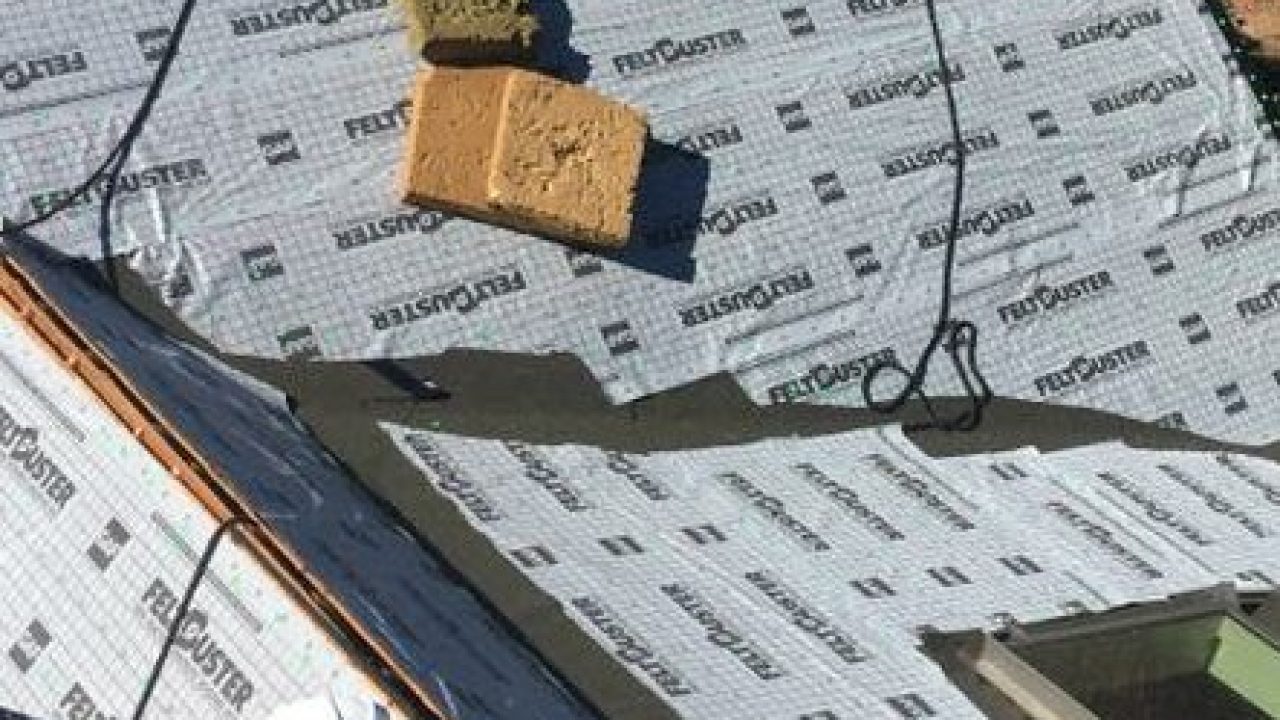
Most homeowners think about roofing in terms of what they can see. Shingles, metal panels, flashing, gutters, and vents all draw attention because they sit on the surface of the home. Underneath those visible materials, though, is one of the most important parts of the entire roofing system: the underlayment.

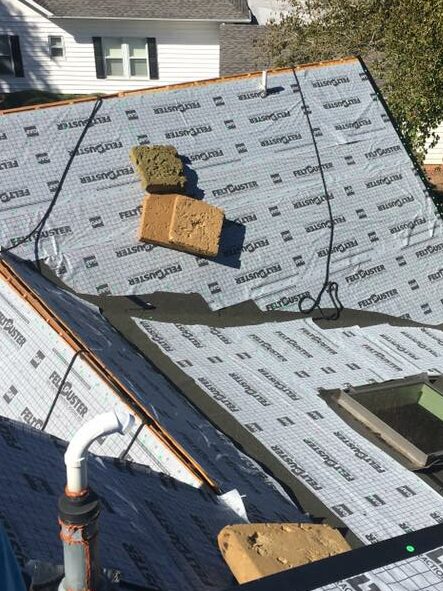
Underlayment is the protective layer installed directly over the roof decking and beneath the finished roofing material. Homeowners rarely see it, and many never think about it during a roof replacement. However, it plays an essential role in how well a roof handles moisture, storms, heat, and long-term aging.

Here in the southeast, roofs face constant humidity, heavy rain, and frequent storm systems. With our climate, the type of underlayment beneath the roof can have a particularly noticeable impact on how the system performs over time.

What Underlayment Actually Does

Shingles and metal roofing are designed to shed water, but they are not the only layer protecting the home. Wind-driven rain, flashing failures, and storm damage can all allow moisture to move beneath the surface. When that happens, the underlayment becomes the next line of defense.

Underlayment is designed to protect the roof decking from water intrusion. Without that protection, moisture can begin soaking into the wood beneath the roof covering, leading to deterioration that often remains hidden for years. Underlayment also provides temporary weather protection during the installation process and helps shield vulnerable areas of the roof where water tends to collect or move more slowly.

Traditional Felt Underlayment

For many years, felt underlayment was the standard option used beneath asphalt shingles. It is typically asphalt-saturated paper or fiberglass material designed to create a moisture-resistant barrier between the shingles and the roof deck.

Felt underlayment still has a place in roofing, particularly on budget-conscious projects, but it has limitations in humid climates. It can absorb moisture over time, wrinkle during prolonged exposure, and tear more easily during installation or severe weather events. In the Southeast, where humidity and sudden storms are common, those weaknesses can become more noticeable as the roof ages.

While felt underlayment is still a commonly used material, it may be wise to consider the other options depending on your circumstances. Homeowners should understand how felt underlayment compares to newer products that are designed for more demanding conditions.

Why Synthetic Underlayment Has Become More Common

Synthetic underlayments have become increasingly popular because they are engineered to handle moisture and weather exposure more effectively than traditional felt products. Most are made from woven or spun polyethylene or polypropylene materials that resist tearing, repel water, and tolerate prolonged heat exposure better than felt.

These products are especially useful in the Southeast because they hold up well during heavy rain events and maintain their integrity more consistently during long periods of heat and humidity. They are also lighter and easier to install, which can improve installation consistency across the roof system.

From a homeowner perspective, the biggest advantage is long-term durability. Synthetic underlayments generally maintain their performance better over time, particularly in areas where roofs experience frequent storm activity and high attic temperatures.

Where Ice and Water Shield Comes Into Play

Some parts of a roof face more water exposure than others. Valleys, roof penetrations, chimneys, skylights, and lower roof edges are all areas where water naturally collects or changes direction. These areas are more vulnerable to leaks, especially during wind-driven rain.

That is where self-adhered membrane products, often called ice and water shield, become important. These materials create a watertight seal directly against the roof deck and around fasteners, helping prevent moisture intrusion in high-risk areas.

Even though the Southeast does not experience the same snow loads as colder climates, these membranes still provide valuable protection during heavy storms and prolonged rain events. In many cases, they help prevent the kind of hidden moisture intrusion that eventually leads to decking damage or interior leaks.

Why Underlayment Matters So Much in the Southeast

Climate affects every part of a roofing system, including the layers homeowners never see. Heat accelerates material aging, while humidity increases the likelihood of trapped moisture beneath the roof surface. During severe storms, wind-driven rain can push water into areas that would normally stay dry.

A stronger underlayment system helps roofs recover more effectively from those conditions. It provides backup protection if shingles loosen during high winds and helps limit moisture intrusion when storms overwhelm drainage temporarily. Over time, this added protection can make a meaningful difference in the condition of the roof decking and the overall lifespan of the system.

Installation Quality Matters

Even the best underlayment will not perform properly if it is installed incorrectly. Overlap spacing, fastening methods, seam placement, and transition details all affect how well the system resists moisture over time. Remember, roofing systems are designed in layers, and every layer depends on the others being installed correctly to perform as intended.

Looking Beyond the Surface

Homeowners naturally focus on the visible roofing material during a replacement project, but the layers beneath the surface often determine how well the roof performs years later. Underlayment may never be seen once the job is complete, but it continues protecting the home every day afterward.

United Contracting & Roofing works with homeowners across northern Georgia and upstate South Carolina to build roofing systems designed for the realities of this climate. Our team evaluates ventilation, drainage, underlayment, and roofing materials together so the entire system works as it should.

If you are planning a roof replacement or want to better understand how your current roof was built, a complimentary inspection is a good place to start. The right roofing decisions are often the ones homeowners never see after the project is complete.

Recent Posts

How Underlayment Affects the Life of Your Roof

How Underlayment Affects the Life of Your…

Learn how roof underlayment protects against moisture, storms, and long-term damage in the Southeast.

Compare Roofing Materials: Asphalt vs. Metal vs. Architectural Shingles

Compare Roofing Materials: Asphalt vs. Metal vs.…

Compare asphalt, metal, and architectural roofing materials to see what performs best in the Southeast…

How Small Maintenance Decisions Impact Your Roof

How Small Maintenance Decisions Impact Your Roof

Small roof maintenance choices today can prevent major repairs later. Learn what matters over the…

The Bottom Line

We Won’t Be Beaten on Price!

Reach out to us today and get a FREE inspection on your roof.

Follow Us On