Roofing Tips

Discover tips, advice, and resources from your friends at United Contracting and Roofing!

Why “My Roof Looks Fine” Can Cost You More

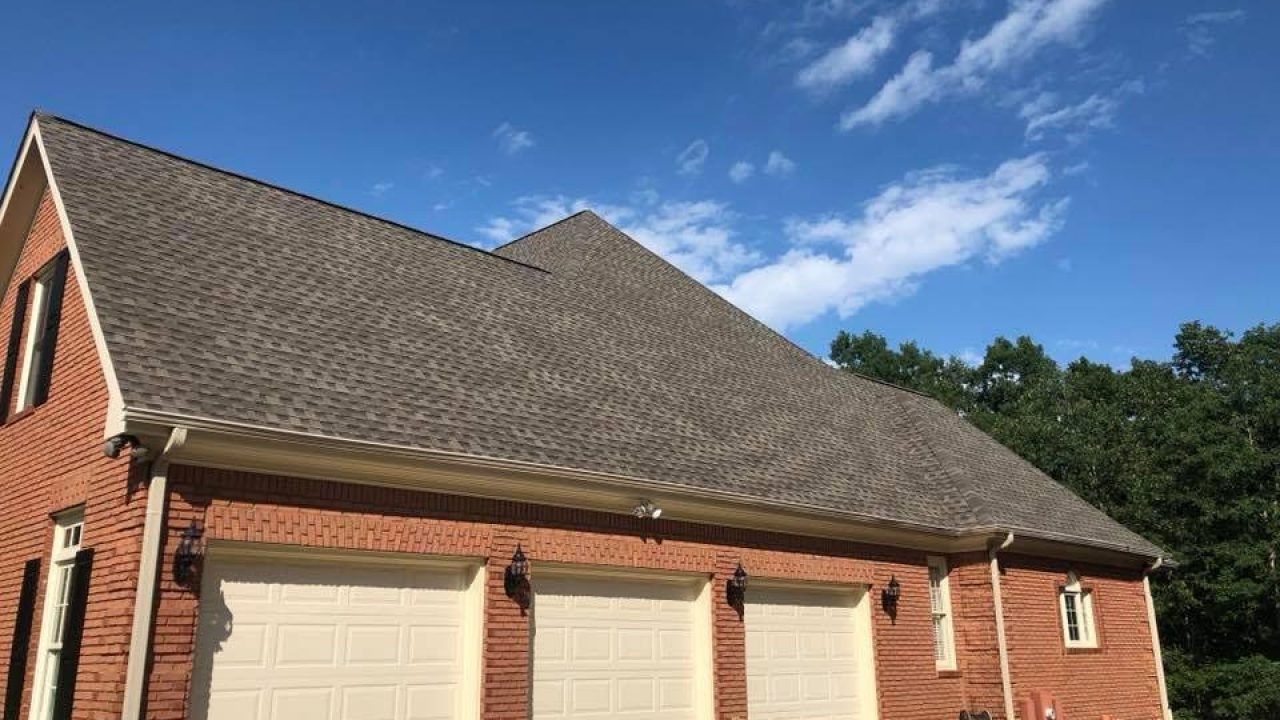
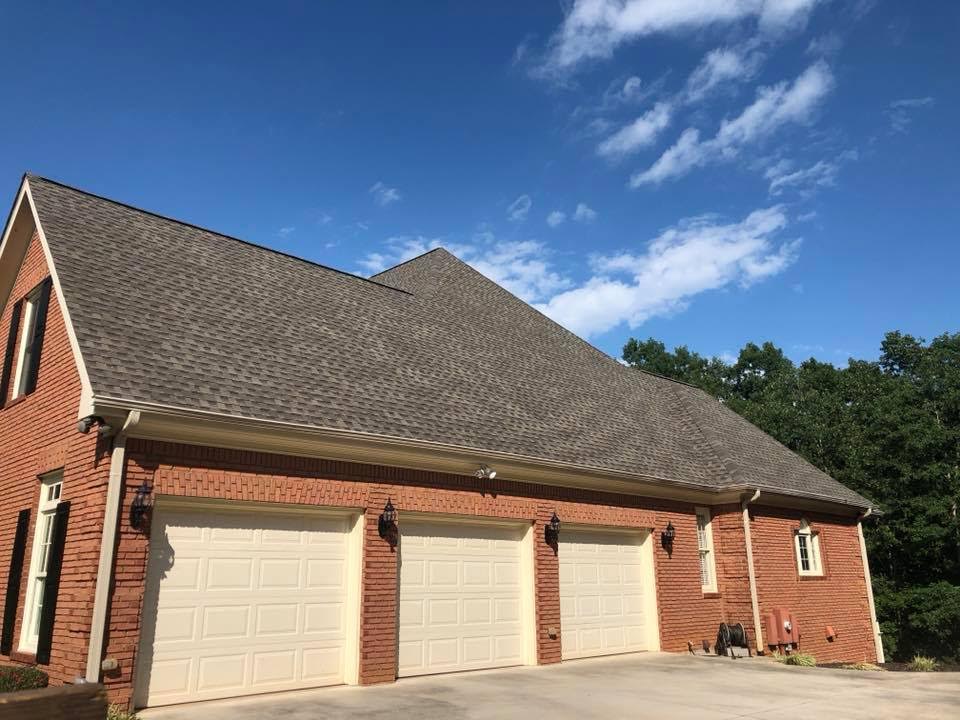
From the ground, most roofs look fine. The shingles appear intact, there are no obvious leaks… nothing appears to be wrong. But as it turns out, a roof’s condition is not determined by what you can see from the driveway. Most roofing issues begin in areas that are not visible and do not show symptoms right away. By the time you can see an issue from the ground, the problem has often been developing for months.

For homeowners in northern Georgia and upstate South Carolina, this is where small assumptions turn into larger, more expensive repairs.

Where Roofing Problems Actually Start

The most common failure points on a roof are not the shingles themselves. It’s the structures around them that begin to decline first. Areas like flashing around chimneys and vents, sealants at penetrations, and fasteners beneath the surface tend to wear down first.

These components are exposed to constant expansion and contraction as temperatures change. Over time, sealants dry out, flashing shifts, and fasteners can loosen slightly. None of this is visible from the ground, but each change creates an opportunity for moisture to enter the system.

Underneath the surface, the underlayment and roof decking play a critical role in protecting the home. When water gets past the outer layer, it often moves along the decking or framing, spreading the problem before any visible sign appears inside the home.

How Small Issues Turn Into Expensive Repairs

A minor gap around flashing or a slightly lifted shingle does not seem urgent. But without remediation, those small openings allow moisture to enter repeatedly with each rain event.

That moisture begins to affect surrounding materials. Insulation can become damp and lose effectiveness. Wood components may begin to deteriorate. Over time, this creates a larger repair area than the original issue.

The timeline is what makes this costly. Homeowners often do not notice a problem until they see a ceiling stain or feel moisture indoors. At that point, the repair is no longer limited to a small section of the roof. It may involve decking, insulation, and interior finishes as well.

Why Storm Damage Often Goes Unnoticed

After a storm, it is natural to look for obvious damage. Missing shingles or debris usually get attention right away. But if nothing looks out of place, many homeowners assume the roof is fine!

In reality, storm damage is not always immediately apparent and often compounds over time. Wind can loosen shingles without removing them. Hail can weaken the protective surface without creating immediate leaks. Flashing can shift slightly, just enough to create a vulnerability.

Over the years, these small issues worsen. The true scope of the problem tends to reveal itself during the next heavy rain, when water finds its way through the weakened areas.

The Cost Difference Between Early and Delayed Roof Repairs

Addressing a small roofing issue early usually involves an inexpensive, focused repair. A section of flashing may need adjustment, or a small area of shingles may need to be secured.

When the same issue is left unaddressed, the scope of work grows. Moisture can spread beneath the roof surface, affecting larger sections of decking and insulation. Interior repairs may even become necessary. What started as a manageable repair becomes a more costly, more involved project.

What You Can Check and What You Can’t

Homeowners can take a proactive approach by observing a few key areas. From the ground, you can look for missing or damaged shingles, debris buildup, and signs of wear along the roof edges. Gutters can also provide clues, especially if you notice excessive granules or drainage issues. Inside the home, pay attention to ceiling stains, musty odors, or changes in temperature that may suggest insulation or ventilation concerns.

What these checks cannot reveal are the hidden conditions beneath the surface. Flashing integrity, moisture within the decking, and ventilation balance require a closer evaluation. These are often the areas where early-stage problems develop, but an experienced roof inspector can pinpoint these issues before that happens.

Why a Professional Inspection Makes the Difference

A professional roof inspection offers a thorough evaluation of how the entire roofing system is functioning. This includes checking flashing, sealants, drainage, and ventilation, along with assessing attic conditions for signs of moisture or air imbalance.

Inspections also provide documentation, which may offer valuable evidence for insurance claims in the future. This helps homeowners understand the current condition of the roof and plan for maintenance or repairs before issues escalate. Routine inspections are one of the most effective ways to prevent small problems from becoming major repairs.

A Smarter Way to Think About Your Roof

United Contracting & Roofing works with homeowners across northern Georgia and upstate South Carolina to identify issues early and provide clear, practical guidance. Our free inspections are designed to give you an accurate picture of your roof’s condition – without pressure or guesswork.

If it has been a while since your last inspection, or if your roof has recently weathered a storm, now is a good time to take a closer look. Let’s confirm that your roof is truly in good condition today…and help you avoid much larger repairs tomorrow!

Recent Posts

Why “My Roof Looks Fine” Can Cost You More

Why “My Roof Looks Fine” Can Cost…

A roof can look fine and still hide damage. Learn what to check and why…
The Biggest Myths About Roof Repairs

The Biggest Myths About Roof Repairs

Common roof repair myths can cost you. Learn what actually happens and how to make…
Choosing the Right Roof for Historic and Modern Homes

Choosing the Right Roof for Historic and…

Learn how to select roofing for historic and modern homes while balancing durability, design, and…

The Bottom Line

We Won’t Be Beaten on Price!

Reach out to us today and get a FREE inspection on your roof.

Follow Us On