The Hidden Costs of Ignoring Small Roof…
Roofs don’t fail all at once. They fail gradually. And the true cost of ignoring…
Whether you need a flat roof, shingles, or a metal roof, UNITED is here to help. Ask us about our insurance claims services today!
If your roof is in need of repairs, replacement, or a complete overhaul, UNITED is here for you. Ask us about our remodeling & additions services today!
United Contracting & Roofing is a local, family owned and operated business. Our focus is long lasting relationships with our clients with quality service.
A small drip from your ceiling may seem harmless at first. Maybe it only shows up after a heavy rain, or appears as a faint stain near a vent or light fixture.
In northern Georgia and upstate South Carolina, winter weather can turn that minor drip into a serious problem much faster than most homeowners expect. Cold snaps, wind-driven rain, and rapid temperature swings create conditions that push water deeper into the roof system.
Once moisture gets inside, the damage increases quietly…and the repair costs creep higher. Understanding how winter leaks grow helps you respond early and protect your home before the problem spreads.
During winter, the Southeast experiences sharp temperature changes, periods of heavy rain, and occasional short freezes. Even a small gap around flashing, shingles, or underlayment gives water a path into the roof. Once moisture enters, it does not stay in one place! It travels along framing, seeps into insulation, and settles in areas where it can freeze overnight, then thaw during the day. Each freeze-thaw cycle expands and contracts the materials around it, which weakens seals, loosens shingles, and opens new pathways for additional water to enter.
Industry experts note that a leak can cause significant hidden damage long before it becomes visible indoors. Moisture trapped behind drywall or under the roof deck can quietly deteriorate wood, weaken structural components, or feed mold growth before a homeowner realizes the scope of the issue.
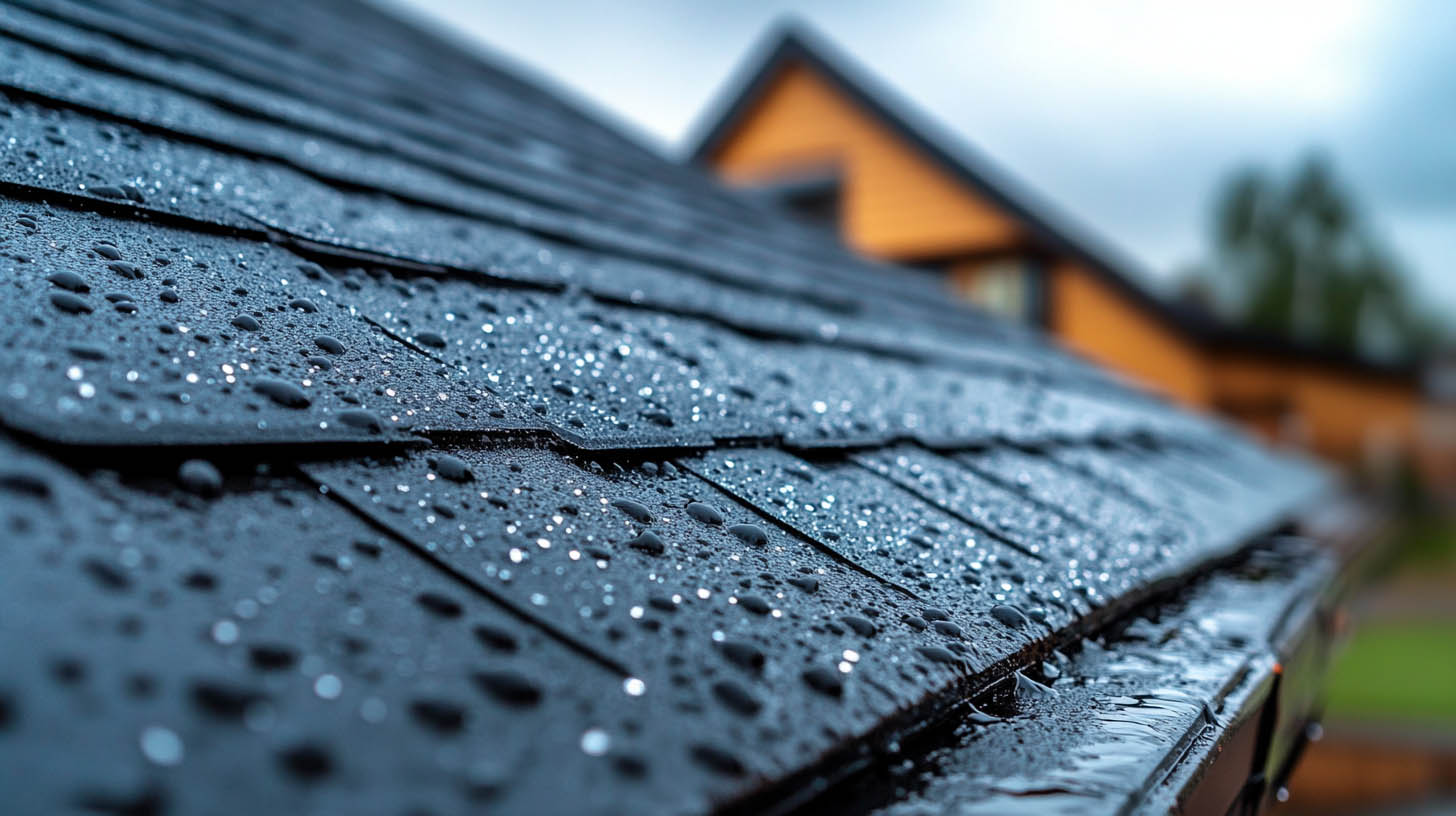
A seemingly minor leak begins with infiltration. Water enters through a vulnerable point such as lifted shingles, aging flashing, or compromised underlayment. Winter weather accelerates this process because water can be forced into the roof by wind or pressure changes. Once inside, moisture spreads laterally across the roof deck.
When temperatures drop, that moisture freezes. Ice expands, putting pressure on nails, seams, and fasteners. When it thaws, it leaves weakened areas behind. Over weeks or months, this cycle can cause shingles to lift, decking to swell, and insulation to deteriorate. By the time a homeowner notices ceiling stains or peeling paint, the damage beneath can already be extensive.
Winter leaks often leave subtle clues. A small stain on the ceiling after a storm is an early signal. You might notice a musty odor when entering the attic or find insulation that feels damp to the touch. Darkened wood, streaks on rafters, or small patches of mold mean moisture has already been present for some time.
From outside, look for shingles that have begun to curl or lose granules, as well as gaps around chimneys, vents, and skylights. Flashing that has shifted or separated from the roof surface is another common entry point for water. Even attic air that feels unusually warm, humid, or stagnant can be a sign that moisture has entered the roof system.
If you see early warning signs of moisture in your roof, act quickly. Schedule a professional roof inspection so a qualified expert can identify the source of the leak and determine how far the moisture has spread. It’s possible that a full repair may be delayed by the winter weather, but a temporary seal or repair can prevent further damage until the permanent work can be completed.
While you’re waiting for the inspection, check that gutters are clear so water can flow away from the roof surface. Confirm that downspouts direct water away from the foundation. Inside the attic, ensure ventilation is unobstructed. Good airflow helps reduce humidity and prevents moisture from settling deeper into the roof structure.
United Contracting & Roofing understands the roof challenges that winter brings to northern Georgia and upstate South Carolina. Our team knows how to identify the early signs of a winter leak, document the damage for insurance purposes, and stabilize your roof quickly. Whether you need emergency tarping, a detailed inspection, or full repair, we provide clear guidance and trusted workmanship from start to finish.
A small drip can grow into a major issue when winter weather is involved. Let our team help you stop the problem early and restore your roof with care and precision. Contact United Contracting & Roofing today to schedule your inspection and keep your home protected through the season and beyond.
Roofs don’t fail all at once. They fail gradually. And the true cost of ignoring…
January and February may be the most important months of the year for assessing and…
Many homeowners in northern Georgia and upstate South Carolina put off roof replacements once colder…
Reach out to us today and get a FREE inspection on your roof.