How Roof Design Affects Drainage, Longevity, and…
Your roof’s design affects drainage, wear, and repairs. Learn which areas may need extra attention…
Whether you need a flat roof, shingles, or a metal roof, UNITED is here to help. Ask us about our insurance claims services today!
If your roof is in need of repairs, replacement, or a complete overhaul, UNITED is here for you. Ask us about our remodeling & additions services today!
United Contracting & Roofing is a local, family owned and operated business. Our focus is long lasting relationships with our clients with quality service.
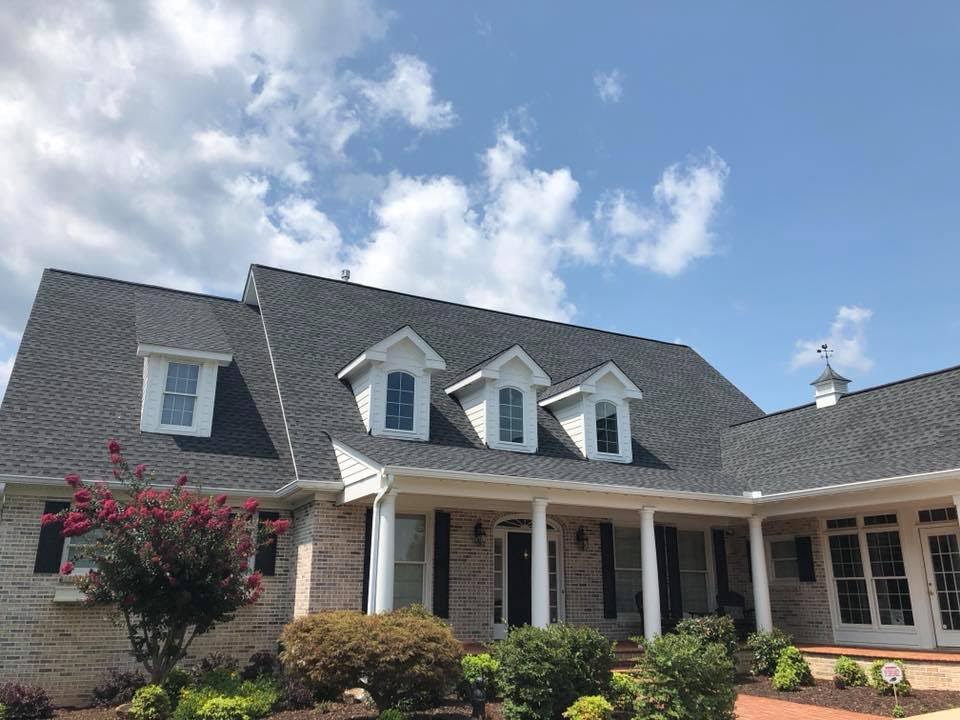
Your roof’s shape plays a huge role in the appearance your home, but it has a practical purpose too. Every slope and intersection affects how rain moves toward the gutters or other drainage points. A simple gable roof with two large slopes handles water differently than a roof with several dormers, valleys, and intersecting sections.
Those differences can also affect how the roof ages. Certain areas naturally handle more water or collect more debris, while others have additional flashing and transitions to maintain. Understanding your roof’s design can help you recognize the areas that may deserve extra attention during maintenance and inspections.
Roof pitch describes how steeply a roof slopes. On a steeper roof, gravity moves rainwater toward the edges relatively quickly. Lower-slope roofs drain more slowly and need roofing materials and installation methods designed for those conditions.
This does not mean a steeper roof will automatically last longer. Roofing manufacturers design different systems to work at specific slopes. The important question is whether the materials, underlayment, and drainage details match the roof’s design.
Pitch can also change from one part of a home to another. An addition, porch, or other lower-slope section may handle water differently from the main roof. These transitions deserve attention during inspections, particularly where one roof section drains onto another.
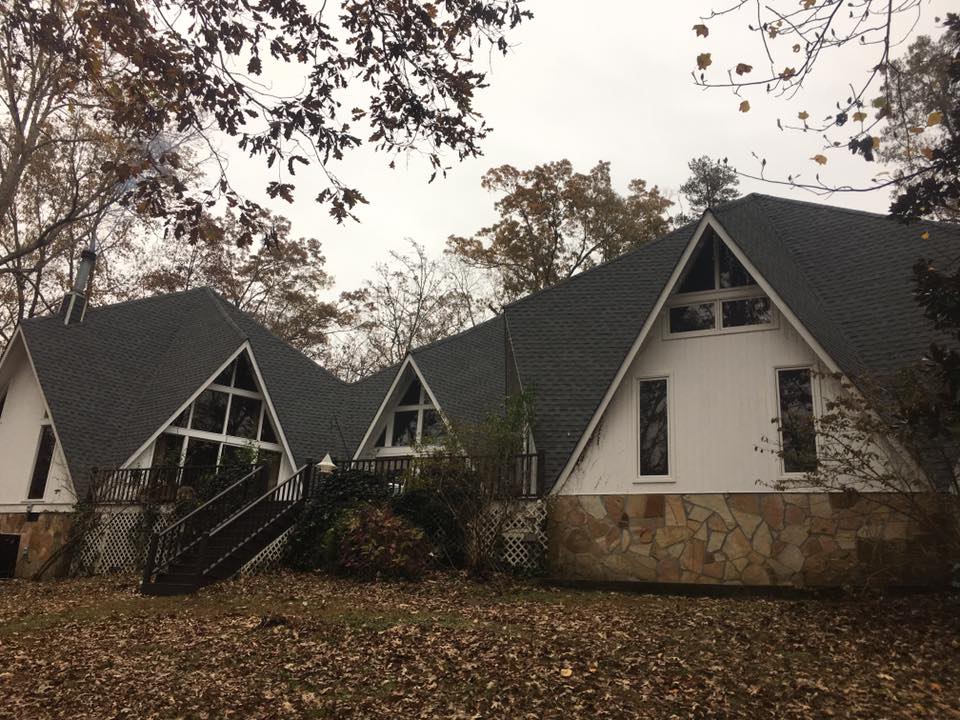
A roof valley forms where two sloped sections meet. Instead of handling only the rain that falls directly on it, the valley collects runoff from both adjoining roof planes and directs it toward the edge of the roof.
That makes valleys some of the hardest-working areas on many residential roofs. They carry a high volume of water during heavy rain, and the effective slope through a valley is lower than the slope of the adjoining roof sections. Proper underlayment, flashing, and shingle installation help that concentrated runoff move safely off the roof.
Valleys can also collect leaves, pine needles, and other debris. If that material slows drainage, water has more time to sit against roofing materials or find its way into vulnerable transitions. Homeowners with several valleys should pay particular attention to these areas when looking at the roof from the ground and keep nearby trees maintained to reduce debris buildup.
Dormers, chimneys, intersecting roof sections, skylights, and roof-to-wall connections can add character to a home. They also create additional places where roofing materials have to transition from one surface to another.
Each transition needs a way to manage water. Flashing directs rain around chimneys, walls, and penetrations. Valleys collect runoff between roof planes. Sealants and other components protect specific joints and openings.
A roof with several of these features is not inherently more likely to fail. It simply has more areas that require proper installation and continued attention. As the roof ages, these transitions are often worth checking closely even when the larger shingle surfaces still look good.
Roof design also affects how much sun, moisture, and debris each section receives. A south-facing slope exposed to direct sunlight may experience different wear than a shaded section beneath mature trees. A valley may regularly carry large amounts of runoff while an open roof plane sheds only the rain that lands directly on it.
Drainage patterns matter too. If an upper roof empties onto a lower section, that area may handle more water than other parts of the roof. Gutters and downspouts also need enough capacity to manage the runoff that reaches them. For almost every roof, wear does not always develop evenly across the entire surface.
Location can change the scope of a roof repair. Replacing damaged shingles in the middle of an open roof plane may be relatively straightforward. Damage inside a valley or beside a dormer can involve additional roofing materials, underlayment, or flashing because the contractor needs to restore the complete drainage path.
Access makes a big difference in the difficulty of repair or replacements as well. Steep slopes, multiple roof levels, and complicated intersections can make certain areas more difficult to reach and repair safely. Understanding the roof’s design helps a contractor determine how much surrounding material needs attention and how to complete the repair without creating new drainage problems.
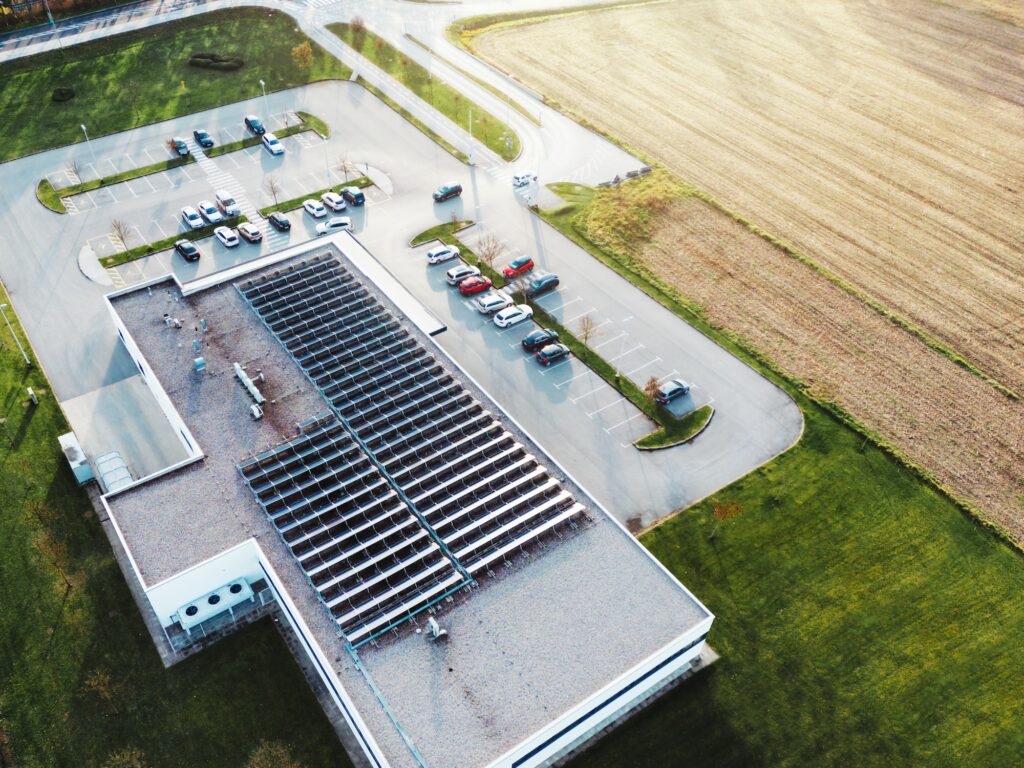
Commercial and low-slope roofing systems approach drainage differently. Although these roofs may appear flat from the ground, they still need enough slope to move water toward drains, scuppers, or gutters.
Large warehouses, manufacturing facilities, and retail buildings can collect significant amounts of rainwater across their roof surfaces. Crickets, saddles, drains, and other design features help direct that water away from equipment and other areas where it might otherwise collect. If water begins ponding regularly, the drainage system deserves a closer look.
You do not need to understand every angle of your roof to maintain it well. It helps to know where water concentrates, where different roof sections meet, and which areas tend to collect leaves or other debris. Changes in those areas can provide an early indication that the roof needs attention.
United Contracting & Roofing evaluates these details as part of our complimentary roof inspections. Our team looks at the complete roofing system, including valleys, flashing, drainage areas, penetrations, and transitions that may experience different levels of wear. We recommend annual inspections, as well as an inspection after a major storm or whenever you suspect damage. Contact United Contracting & Roofing to schedule a complimentary inspection and get a clear assessment of how your roof is performing.
Your roof’s design affects drainage, wear, and repairs. Learn which areas may need extra attention…
Quality roofing materials need proper installation. Learn which installation details affect roof performance and longevity.
Learn how roof flashing directs water away from vulnerable areas and why proper installation and…
Reach out to us today and get a FREE inspection on your roof.