


Roofing Tips

Discover tips, advice, and resources from your friends at United Contracting and Roofing!

Fascia, Soffit & Drip Edge: Protecting Your Roof

A lot happens along the edges of your roof. Rainwater moves down the roof toward the gutters. The roof overhang meets the exterior walls of your home. On many homes, fresh air also enters the attic near the eaves as part of the ventilation system.

Several components help manage those transitions. Fascia, soffit, and drip edge each serve a different purpose, but together they help protect an area of your roofing system that regularly deals with water, weather, and changing temperatures.

What Are Fascia, Soffit, and Drip Edge?

If you’ve ever looked up at the edge of your roof and wondered what all the different pieces are, you’re not alone. Most homeowners don’t have much reason to think about them until something starts looking damaged.

The fascia is the vertical board that runs along the edge of the roof. It covers the ends of the roof framing and creates a finished edge. On many homes, the gutters are also attached to the fascia.

The soffit covers the underside of the roof overhang. Some soffits are vented, allowing outside air to enter the attic as part of a balanced ventilation system.

The drip edge is metal flashing installed around the perimeter of the roof. It helps direct water away from vulnerable roof-edge materials. Along the eaves, it also helps guide runoff toward the gutters.

Each component has its own job, but their location puts them in close contact with one another.

Follow the Water to Understand the Roof Edge

When rain lands on your roof, gravity does most of the work. Water travels down the roofing surface toward the eaves, where it needs to leave the roof cleanly and enter the gutter system.

Properly installed drip edge helps direct runoff outward as it reaches the end of the roof. The gutter collects the water and carries it toward the downspouts, which move it away from the home.

The fascia sits directly behind this drainage area. Under normal conditions, it shouldn’t have to absorb the water leaving your roof. When water begins running behind the gutter or repeatedly reaching the fascia, there may be a problem somewhere in that transition.

What Does Drip Edge Actually Protect?

Drip edge is easy to overlook because you may see only a narrow strip of metal along the roofline. However, its job is much more important than its size suggests. Without an effective edge directing runoff outward, water can follow the roof edge and reach materials underneath. Repeated moisture exposure can contribute to deterioration of the fascia and other wood around the perimeter of the roof.

Drip edge also extends along rake edges, which are the sloped edges at the sides of a roof. There may not be a gutter in these locations, but the roofing system still needs to direct water away from the underlying roof edge. Drip edge is an essential part of the water-management system that helps runoff leave the roof where it should.

Where Does the Fascia Fit Into Roof Drainage?

The fascia doesn’t actually help drain rainwater from your roof, but its location makes it integral to the drainage system. On many homes, gutters are secured to the fascia. If those gutters are working properly, water moves from the roof into the gutter and toward the downspouts without repeatedly soaking the board behind them.

Problems can develop when gutters overflow, leak, sag, or pull away from the roofline. Water that isn’t being directed correctly at the roof edge can also reach the fascia. Over time, repeated moisture exposure can lead to peeling paint, staining, soft spots, or deterioration.

If fascia begins to rot, replacing the damaged material may be necessary. It is also important to determine why it stayed wet. Otherwise, the same drainage problem can eventually damage the replacement material.

How Does Soffit Help With Roof Ventilation?

Soffit covers the underside of the roof overhang, creating a finished transition between the edge of the roof and the exterior wall. When a home uses vented soffit as part of its attic ventilation design, those openings also provide a pathway for outside air to enter the attic.

A balanced ventilation system typically brings air in near the lower portion of the roof and allows it to exit through exhaust vents higher up. This airflow helps manage heat and moisture in the attic. The exact ventilation design varies from home to home, so the goal isn’t simply to add as many vents as possible. Intake and exhaust need to work together as a system.

What Happens When Part of the Roof Edge Isn’t Working Properly?

Problems around the eaves can show up in several ways. You may notice peeling or stained fascia, gutters pulling away from the house, damaged soffit panels, visible gaps along the roofline, or water running somewhere you wouldn’t expect during heavy rain.

But those clues don’t always identify the cause by themselves. For example, deteriorated fascia tells you that the material has been damaged, but it doesn’t tell you exactly where the water came from. The source could involve the gutter, drip edge, roofing materials, or another drainage problem. Damaged soffit may be an exterior maintenance issue, or it could interfere with attic ventilation if the affected area contains intake vents.

Why Roof-Edge Details Matter During Roof Replacement

When it’s time to replace a roof, the work involves more than removing old shingles and installing new ones. The edges need attention, too.

Once the old roofing materials come off, our team can evaluate conditions that may have been difficult to see during the initial inspection. Damaged materials around the roof perimeter may need to be addressed before the new roofing system is completed. Drip edge also needs to be installed correctly so it works with the surrounding roofing materials and helps manage runoff.

Ventilation deserves consideration as well. If soffit vents provide intake air for the attic, they need to remain open and work with the home’s exhaust ventilation. Paying attention to these details helps the different parts of the roofing system do the jobs they were designed for.

Pay Attention to the Edges

You don’t need to climb onto your roof to keep an eye on these areas. Many warning signs are visible from the ground.

Look for changes along the roofline, particularly after storms or heavy rain. Gutters that have started pulling away, deteriorating fascia, damaged soffit, or water running behind the gutter instead of into it are all good reasons to have the area inspected.

At United Contracting & Roofing, we evaluate the roofing system as a whole. Our complimentary roof inspections can help identify where a problem begins and what needs attention, whether you’re concerned about drainage, storm damage, ventilation, or the condition of the roof itself.

If something along your roofline doesn’t look right, schedule a complimentary inspection with United Contracting & Roofing. We’ll take a closer look and help you understand what’s happening at the edge of your roof.

Recent Posts

Fascia, Soffit & Drip Edge: Protecting Your Roof

Fascia, Soffit & Drip Edge: Protecting Your…

Learn how fascia, soffit, and drip edge work together to manage water, support ventilation, and…

What Happens When Roof Decking Gets Wet?

What Happens When Roof Decking Gets Wet?

Wet roof decking does not always mean rot, but the source matters. Learn how moisture…
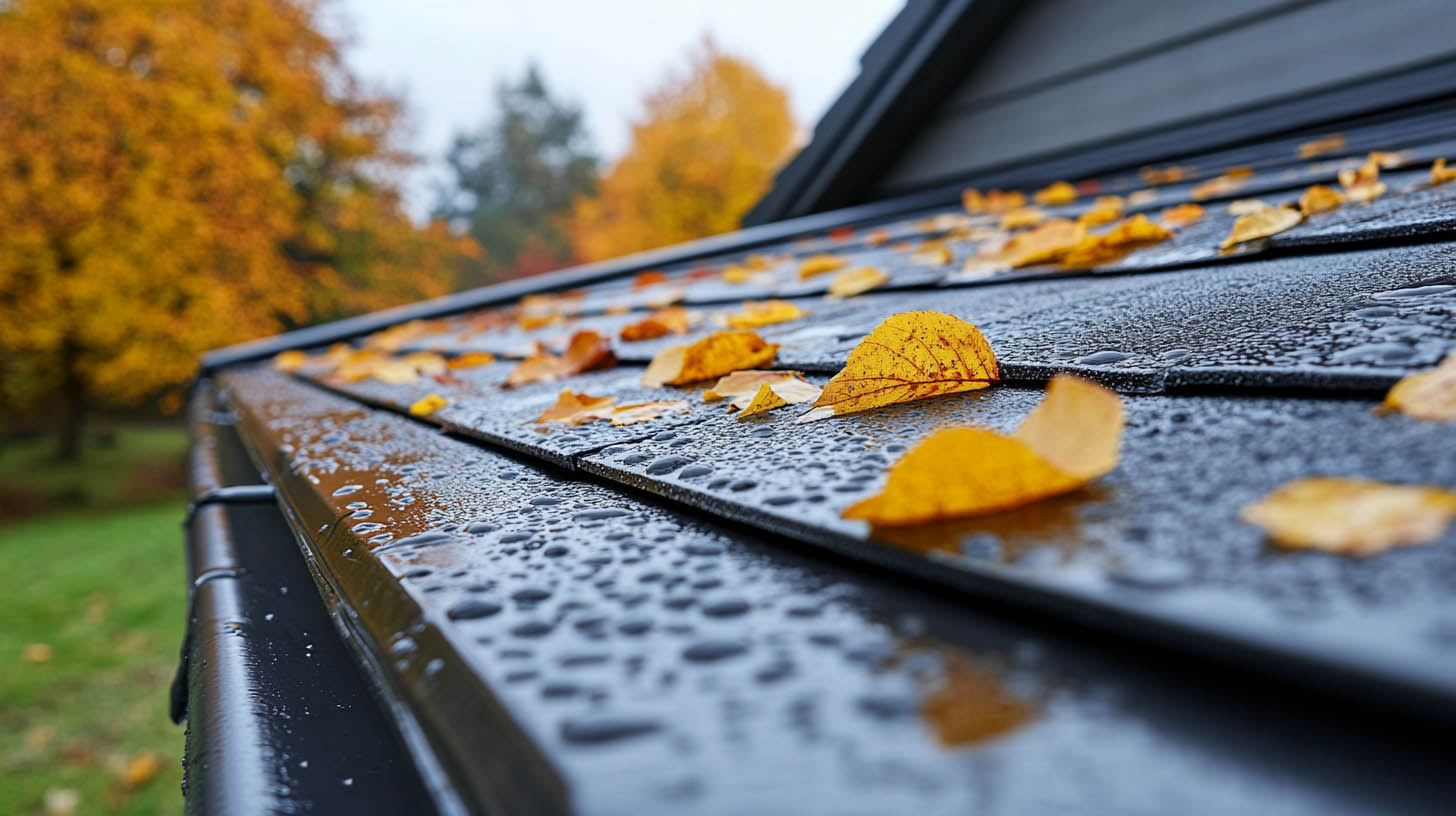
Why Is Water Getting Behind My Gutters

Why Is Water Getting Behind My Gutters

Water behind your gutters can point to drip edge, fascia, gutter, or drainage problems. Learn…

The Bottom Line

We Won’t Be Beaten on Price!

Reach out to us today and get a FREE inspection on your roof.

Follow Us On