If your roof is in need of repairs, replacement, or a complete overhaul, UNITED is here for you. Ask us about our remodeling & additions services today!

ABOUT UNITED

United Contracting & Roofing is a local, family owned and operated business. Our focus is long lasting relationships with our clients with quality service.

Roofing Tips

Discover tips, advice, and resources from your friends at United Contracting and Roofing!

A Week in the Life of a Roof After a Major Storm

The rain has stopped. The wind has settled. Tree limbs are scattered across the yard, but from the driveway, your roof doesn’t look too bad!

Unfortunately, that first impression can be misleading.

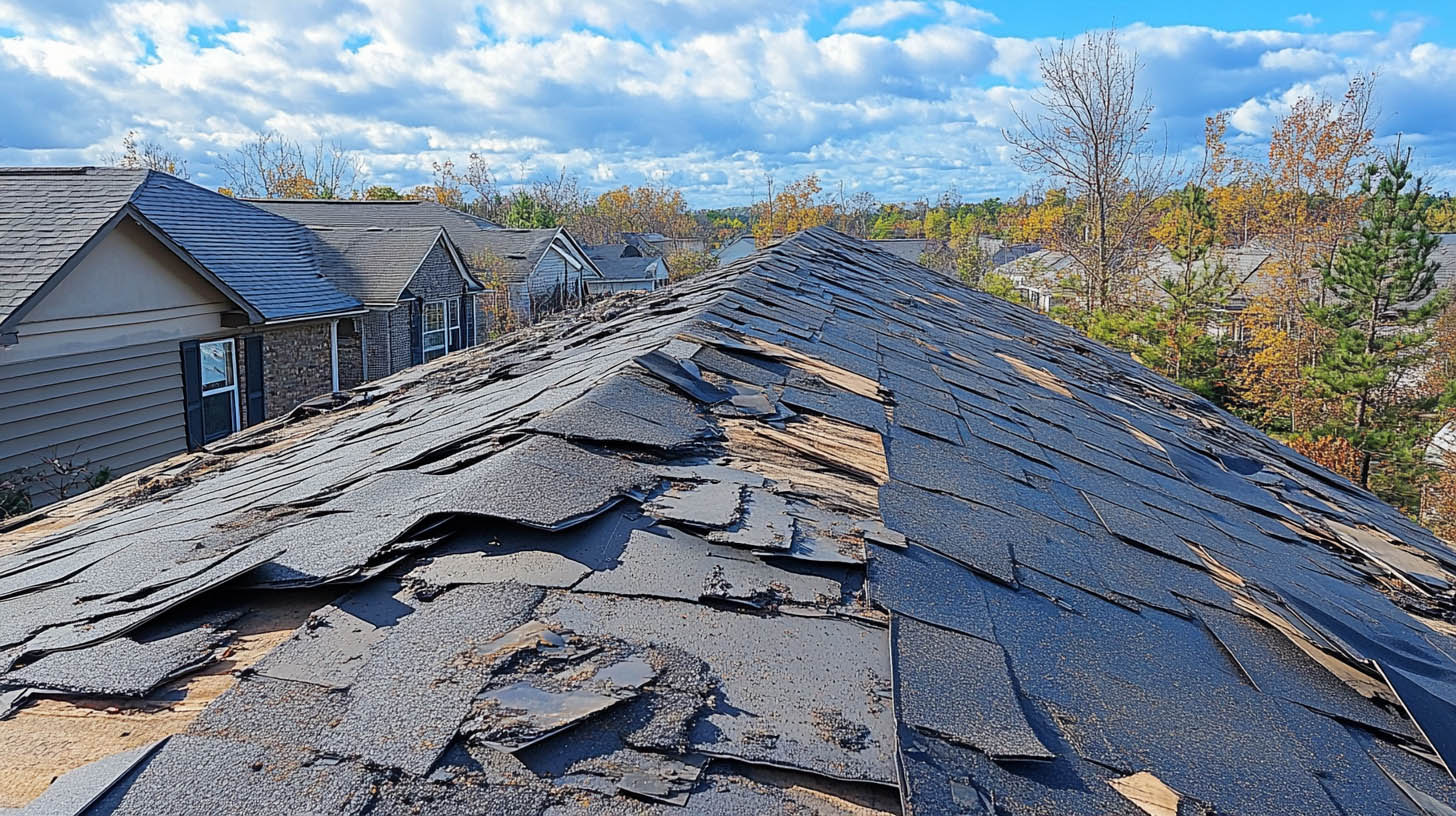
Some storm damage is easy to spot. Missing shingles and fallen branches are obvious. But other problems take time to appear. A lifted shingle, damaged flashing, or small puncture may not cause immediate trouble, but those weak spots can become bigger issues over the days that follow.

The week after a major storm is often when your roof tells the rest of the story.

Day One: Check for the Obvious

After a storm passes, your first priority is safety. Stay off the roof and look for visible signs of damage from the ground. Missing shingles, bent gutters, fallen tree limbs, dented metal components, or debris on the roof all deserve a closer look.

Take photos of anything you notice. If your neighborhood experienced hail or strong winds, your roof may have damage that isn’t visible from the ground.

This is a good time to schedule a professional roof inspection. United Contracting & Roofing provides complimentary inspections to help homeowners determine whether the roof sustained damage and whether repairs, replacement, or simply continued monitoring make the most sense. If the storm resulted in insurance damage, the inspection also provides documentation that may be helpful during the claims process.

Days Two and Three: Hidden Damage Starts to Show

Once the roof begins drying, some problems become easier to identify.

A shingle that was partially lifted by high winds may not have blown away, but it may no longer seal properly. Flashing around chimneys, vents, or roof valleys may have shifted just enough to allow water underneath. Hail can bruise shingles without leaving damage that’s easy to recognize from the ground.

The roof may continue keeping water out for now, but damaged areas are more vulnerable than they were before the storm. A professional inspection can identify these issues before they can develop into larger repairs.

Days Four and Five: The Rest of the House Begins to Respond

If water found its way beneath the roofing materials, the first signs may begin appearing inside the home around this stage.

You might notice a new ceiling stain, damp insulation in the attic, peeling paint, or discoloration near an exterior wall. None of these signs confirm major roof damage on their own, but they do indicate that moisture is moving through parts of the home where it doesn’t belong. If you notice any of these issues, it’s important to call in a roof inspector so you can find the damage before it spreads further.

It’s also worth taking another look around the outside. Granules collecting in gutters, loose pieces of flashing, or shingles that appear uneven after the storm can all point to roofing damage that deserves attention.

Days Six and Seven: Are You Ready for the Next Storm?

A damaged roof often makes it through the storm that caused the damage. The next round of rain is what puts weakened areas to the test.

Water doesn’t need a large opening to enter the roofing system. Once shingles or flashing have been compromised, continued exposure to rain, wind, and sun can gradually make the damage worse. What started as a straightforward repair can become a larger project if moisture reaches the decking, insulation, or interior finishes.

That’s why timing matters. Addressing storm damage early helps keep small problems from spreading to other parts of the home.

A Simple Inspection Can Provide Peace of Mind

Not every major storm causes damage to your roof. Many roofs come through severe weather with little more than leaves and small branches to clean up. The only way to know for certain is to have the roof evaluated by someone who knows what to look for.

United Contracting & Roofing recommends scheduling a complimentary roof inspection after a major storm or anytime you suspect your roof may have been damaged. Annual roof inspections are also a smart way to identify normal wear before it develops into a more costly repair.

Whether your roof needs a minor repair, help documenting storm damage for an insurance claim, or simply a clean bill of health, an inspection provides the information you need to make a confident decision. Contact your United location today to schedule your complimentary inspection.

Recent Posts

Why Proper Roof Installation Matters

Why Proper Roof Installation Matters

Learn what can happen to your roof in the days after a major storm and…

A Week in the Life of a Roof After a Major Storm

A Week in the Life of a…

Learn what can happen to your roof in the days after a major storm and…

What Happens If You Wait Too Long to Fix Roof Damage

What Happens If You Wait Too Long…

Learn how not fixing roof damage can turn a simple fix into a larger project…

The Bottom Line

We Won’t Be Beaten on Price!

Reach out to us today and get a FREE inspection on your roof.

Follow Us On